


Recycled Bio-Hydroxyethyl Terephthalate (rBHET PCR)
An intermediate product of the chemical recycling of PET, playing a crucial role in establishing a circular economy and reducing resource consumption
Develop efficient BHET production and application technologies to improve recycling rates and product value.
Product Data Sheet
| Item | Unit | Range |
|---|---|---|
| Appearance | - | White crystals, free of impurities |
| Purity (HPLC) | wt% | ≥95.0 |
| BHET (Monomer) | wt% | ≥95.0 |
| BHET (Dimer + Oligomer) | wt% | ≤5.0 |
| Ethylene Glycol (EG) | wt% | ≤0.80 |
| Moisture | wt% | ≤0.40 |
| Acid Value | mg KOH/g | ≤0.50 |
| Ash | ppm | ≤100 |
| Iron (Fe) | ppm | ≤1.0 |
| Total Metals | ppm | ≤30 |
| Melting Point | °C | 108–112 |
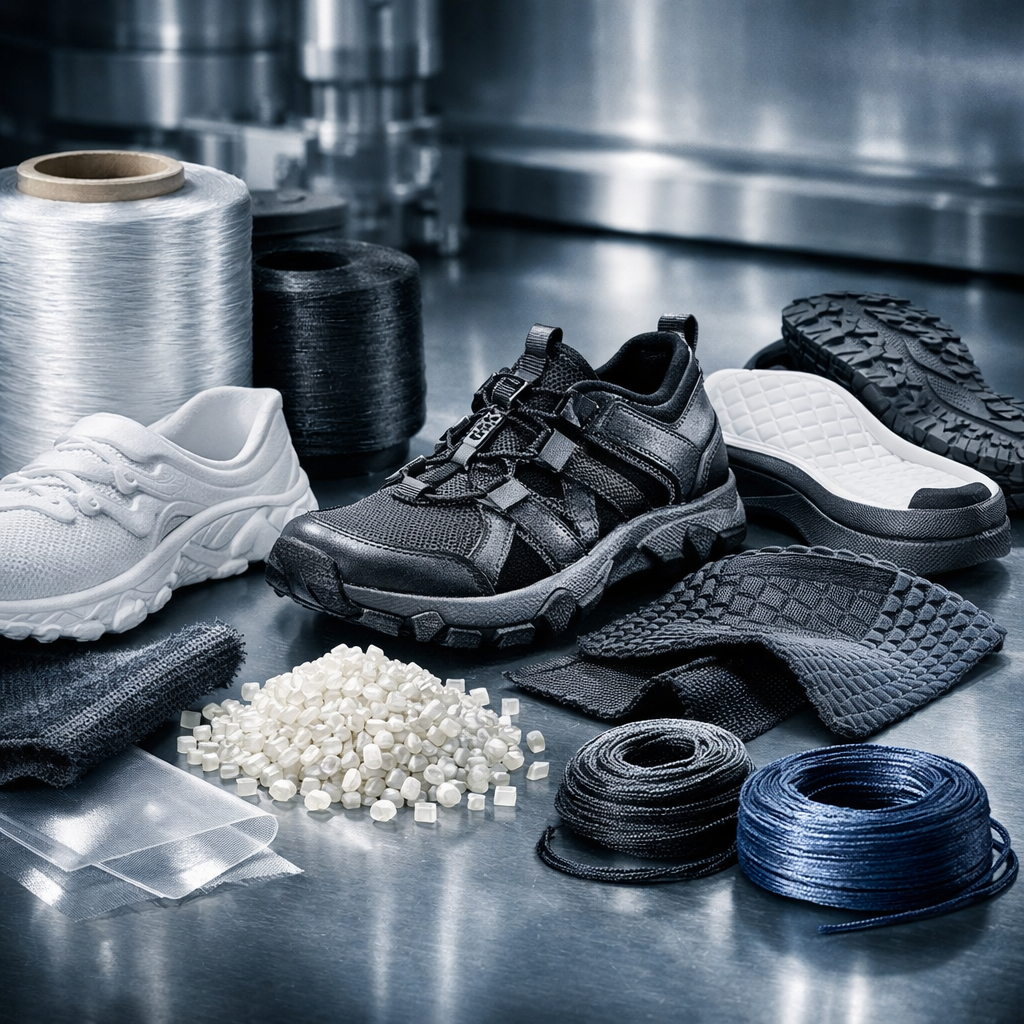
For functional apparel and athletic shoes, rBHET can replace some petroleum-based raw materials and combined with other polyesters, such as rTPEE (recycled thermoplastic polyurethane), to create high-value athleticshoe midsoles, wading shoes, or other eco-friendly functional fabrics.
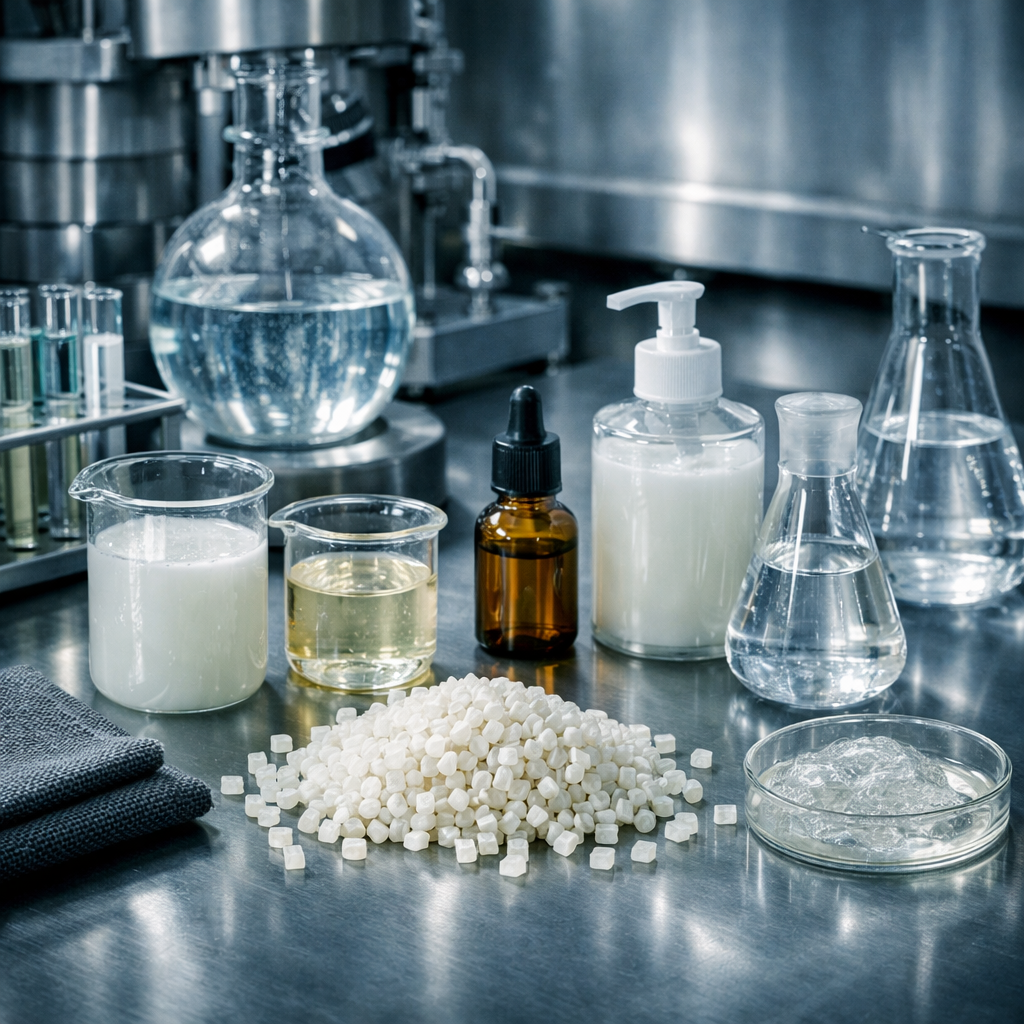
Directly being converted into a new generation of PET, rBHET can also serve as an environmental-friendly raw material for the production of various chemical products such as biodegradable polyesters and water-based epoxy emulsions.