


High-Temperature Chain Oil
Ideal Performance:
1. Low volatility, reducing lubricant consumption.
2. High flash point, minimizing the risk of fire at high temperatures.
3. Good oxidationresistance, preventing carbon buildup and sludge formation.
4. Excellent penetration, allowing lubrication to reach in between chains and bearing areas.
5. Good wear and extreme pressure (EP) performance.
6. Non-drip, maintaining equipment cleanliness.
Product Data Sheet
| Item | Test conditions / Range | Key Features |
|---|---|---|
| Flash Point | > 280°C | Safe operation at high temperatures to preventspontaneous combustion of fluids. |
| EvaporationLoss | (204°C / 6.5h) ≤ 15% | Low volatility decreases consumption. |
| Carbon residue | Low carbon | Prevent viscosity to increase and carbon to clog. |
| Viscosity grade | ISO 220 / 320 / 460 | Select the appropriate grade based on the equipment loading and temperature. |
Type of High-Temperature Chain Oil
| TemperatureRange | Types of Base Oils | Key Features |
|---|---|---|
| 200°C – 300°C | Premium synthetic oil (PAO/Ester-Based) | Good thermal stability, low volatility, and low carbon deposit. |
| 300°C – 400°C | Special synthetic oil + high-temperature antioxidant | Prevents oil oxidation and extends lubrication period. |
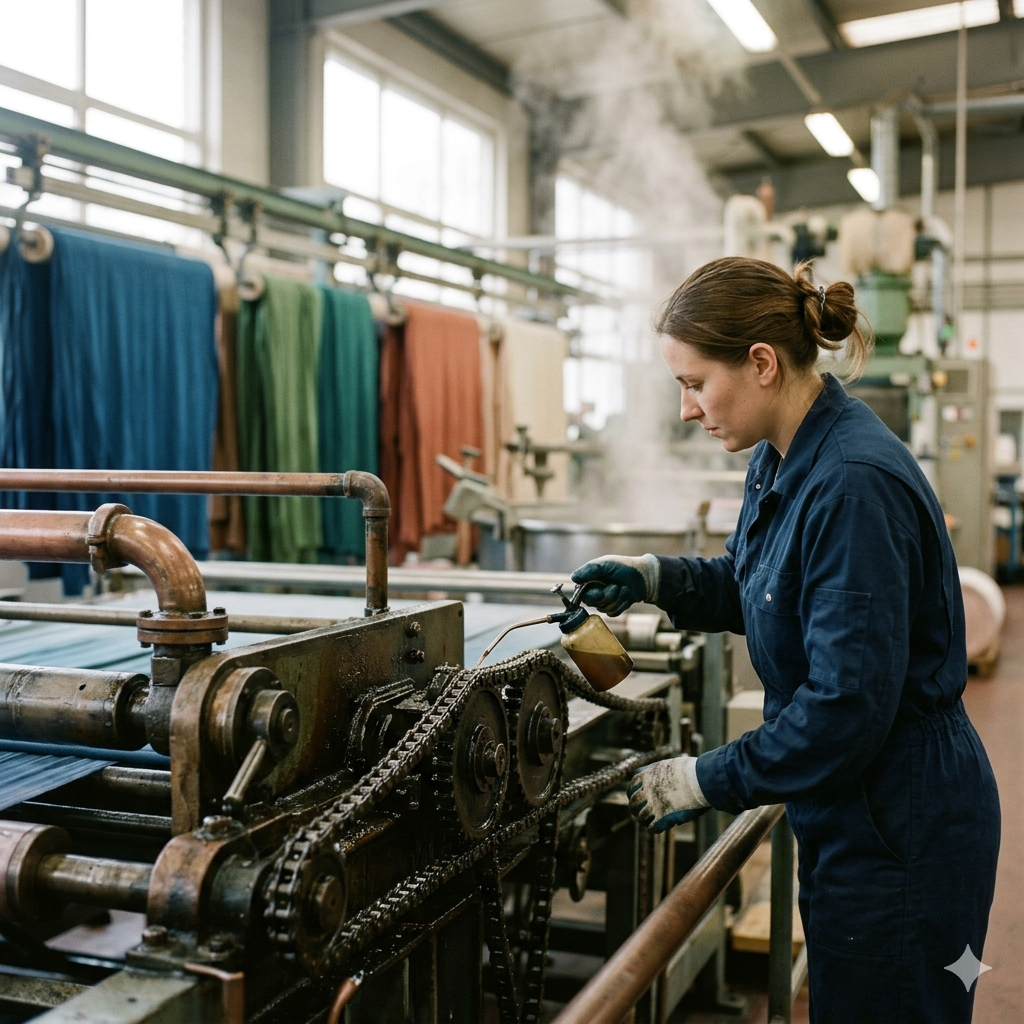
Good for high-temperature transmission chains used in machines like tendering machines and drying equipment, providing stable lubrication and anti-coking performance.
1. Operate at high temperatures of 200–400°C
2. Reduce chain wear.
3. Reduce carbon buildup to prevent chain blockage.
4. Improve the efficiency.
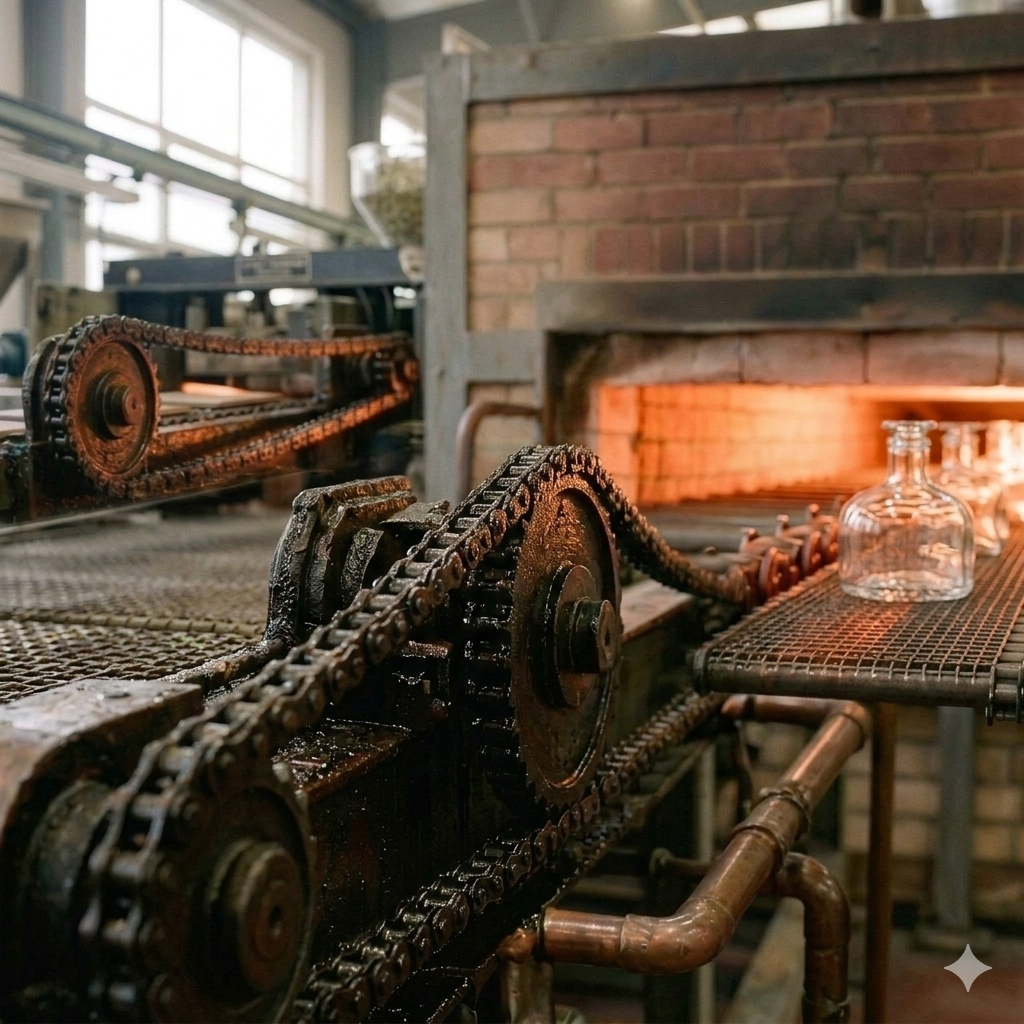
Good for use in high-temperature environments such as kiln transport chains, glass annealing furnaces, and molding equipment.
1. Excellent thermal oxidation stability
2. Maintains lubrication film at high temperatures without degradation.
3. Excellent anti-coking properties, preventing chain from getting stuck.
4. Extend maintenance intervals, reducing downtime risk
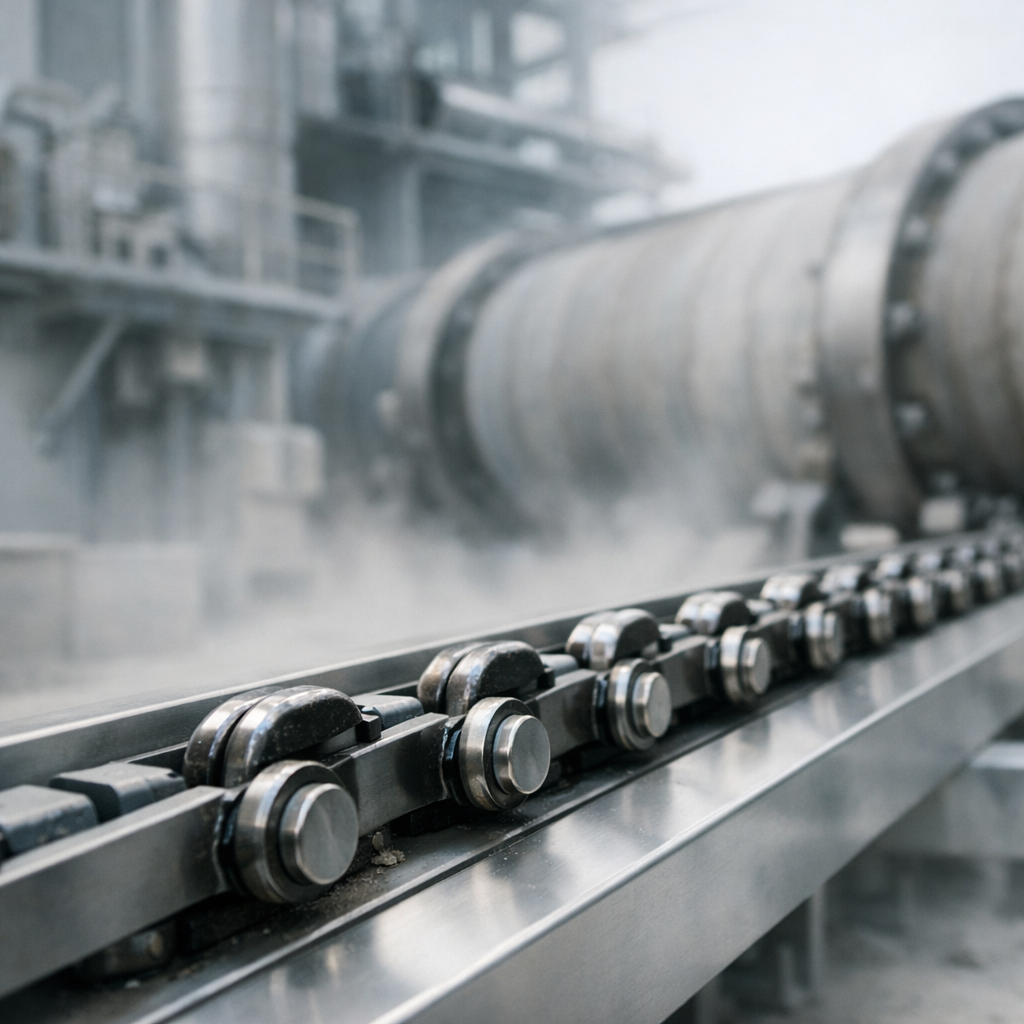
Good for heavy-duty applications such as high-temperature conveyor systems, drying ovens, and sintering equipment.
1. Maintains viscosity stability at high temperatures
2. Excellent resistance to wear and tear, and strong oxidation resistance.
3. Reduce the formation of carbon and tar.
4. Improves chain lifespan and equipment reliability